

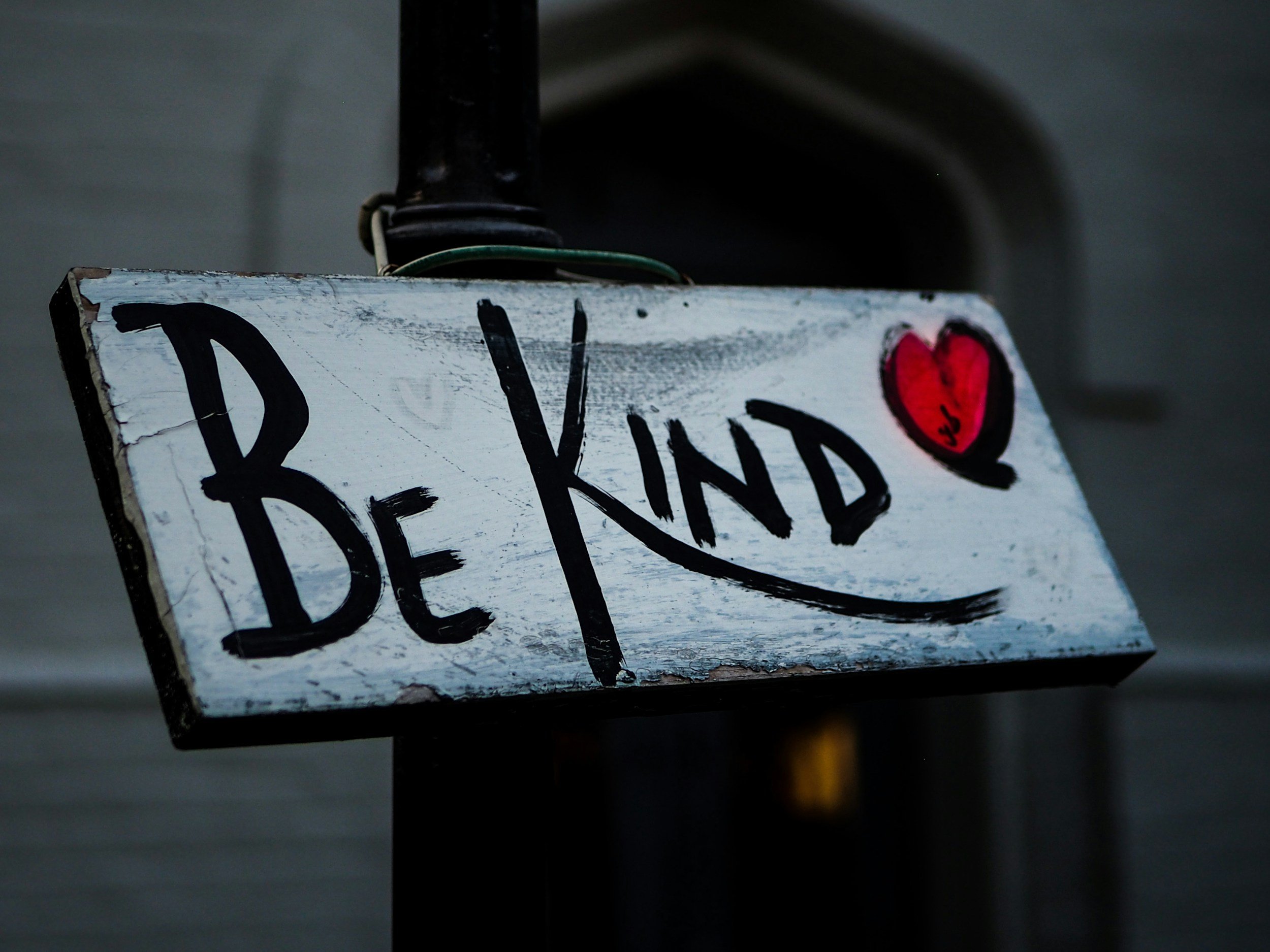
We are All doing the best we can with what we have.
It’s everywhere, in politics, in workplaces, in the everyday exchanges that reveal how easily we’ve normalized unkindness. Just the other day, I stood in line at a local pharmacy and watched people come undone. The wait was long, the tension thick. A man yelled, another cursed at the tech. Someone shouted, “I hate you guys!” over a delayed prescription. A stranger infront of me turned to vent his frustration, and without thinking, I said softly, “They’re doing the best they can with what they have. Let’s be kind.” He looked at me, startled, not by what I said, but by the reminder itself, because somewhere along the way, we’ve forgotten.
We’ve forgotten what it means to see one another as human. We’ve forgotten how to pause before reacting, to breathe before attacking, to assume good intent instead of harm. The climate we’re living in is thick with reactivity, it is like an emotional smog that dulls empathy and amplifies anger.
And I’ll be the first to admit, I’m not above it.
I’m someone who has reacted, who has let anger boil up and spill over more times than I’d like to count. I’ve said things I wish I could take back. I’ve matched fire with fire. I’m not perfect, and I never will be. What I am is human. A human who has needed reminders. A human who has been met, more than once, with grace and forgiveness and also someone who has begged for forgiveness and gone without. Maybe that’s why this moment at the pharmacy struck me so deeply, because I saw myself in it. The part that hurts and lashes out. The part that grasps for control when everything feels out of reach.
It isn’t just in pharmacy lines. It’s woven into the fabric of our daily lives, into our politics, where power is hoarded like currency and compassion mistaken for weakness. It’s in our workplaces, where exhaustion is worn like armor and blame has quietly replaced accountability. And it shows up in the smallest, most ordinary moments, the driver who cuts in line, the customer who lashes out, the colleague who hides their hurt behind sarcasm.
We’re surrounded by this quiet erosion of empathy, and too often, we call it normal.
We’re living in a time of great separation. The divide between “us” and “them” has become a canyon. And in our collective scramble to feel heard, safe, or seen, we’ve stopped listening, stopped softening, stopped seeing each other at all. The irony is that much of this anger is born from scarcity, not just of resources, but of hope, of time, of rest, of forgiveness.
We’re a tired culture and a hungry one. In our exhaustion and hunger, we take from those who already have less. From underpaid workers doing impossible jobs. From teachers and nurses, from grocery clerks and public servants, from anyone standing on the frontlines of human need and those seeking the very need that all humans deserve to survive. We strip away patience, grace, dignity, because it feels easier to discharge our pain outward than to sit with it inward.
But every time we do, we erode something sacred, the social fabric that binds us.
What would shift if, in those small moments, we chose to respond differently?
If we remembered that kindness is not weakness, but strength in its most radical form?
That line at the pharmacy wasn’t an isolated moment. It was a mirror, one reflecting a society at war with its own nervous system. But maybe, just maybe, it’s also where healing begins.
Not in grand gestures or policy shifts (though we need those too), but in the everyday micro-moments of grace, when one human meets another human and chooses not to add to the noise.
So the next time you find yourself in a long line, behind a tired clerk or beside an impatient stranger, take a breath.
Remember: we’re all doing the best we can with what we have.
In a world that’s forgotten softness, your kindness might just be the most radical act of all.
