

The Bandhas: Ancient Wisdom for Modern Women's Health

If you have practiced yoga for any length of time, you have likely heard your teacher say, "Engage your bandhas.
For many students, that cue means pulling in the belly, lifting the pelvic floor, or tightening the muscles that support a posture. While those actions certainly have their place, they represent only a small piece of what the bandhas truly are.
The ancient yogis were not simply teaching muscular engagement. They were teaching the intelligent direction of energy.
The Sanskrit word bandha means to lock, bind, or seal. Rather than referring only to the physical body, the bandhas are energetic locks that help direct the movement of prana, our life force, throughout the body. They create stability, preserve vitality, and guide energy toward healing, transformation, and higher awareness.
Imagine a river flowing across the landscape. Without strong riverbanks, the water spreads in every direction, becoming shallow and losing its power. The bandhas create those riverbanks within us, allowing our energy to gather, deepen, and move with intention instead of scattering in every direction.
This teaching feels especially relevant for women today.
We live in a world that celebrates productivity over presence and encourages us to constantly give our time, energy, and attention to everyone around us. We care for our families, build careers, support our communities, and often place our own needs at the very bottom of the list. Over time, many women begin to feel exhausted, disconnected, and unsure of where their energy has gone.
From an Ayurvedic perspective, this constant outward movement eventually aggravates Vata dosha, the energy of movement. As Vata becomes excessive, the nervous system becomes overstimulated, the adrenals work overtime, digestion weakens, hormones become less resilient, and the mind begins to race. Contemporary research echoes this understanding, linking these patterns to sustained activation of the body's stress response and elevated levels of stress related hormones.
Although these systems use different language, they point toward the same truth. When our energy is constantly flowing outward, the body eventually pays the price.
The bandhas offer another way.
Rather than asking us to do more, they invite us to contain our energy, regulate our nervous system, and cultivate inner stability. They remind us that true vitality is not created by constantly giving more of ourselves, but by learning how to preserve the life force that already exists within us.
More Than Muscles
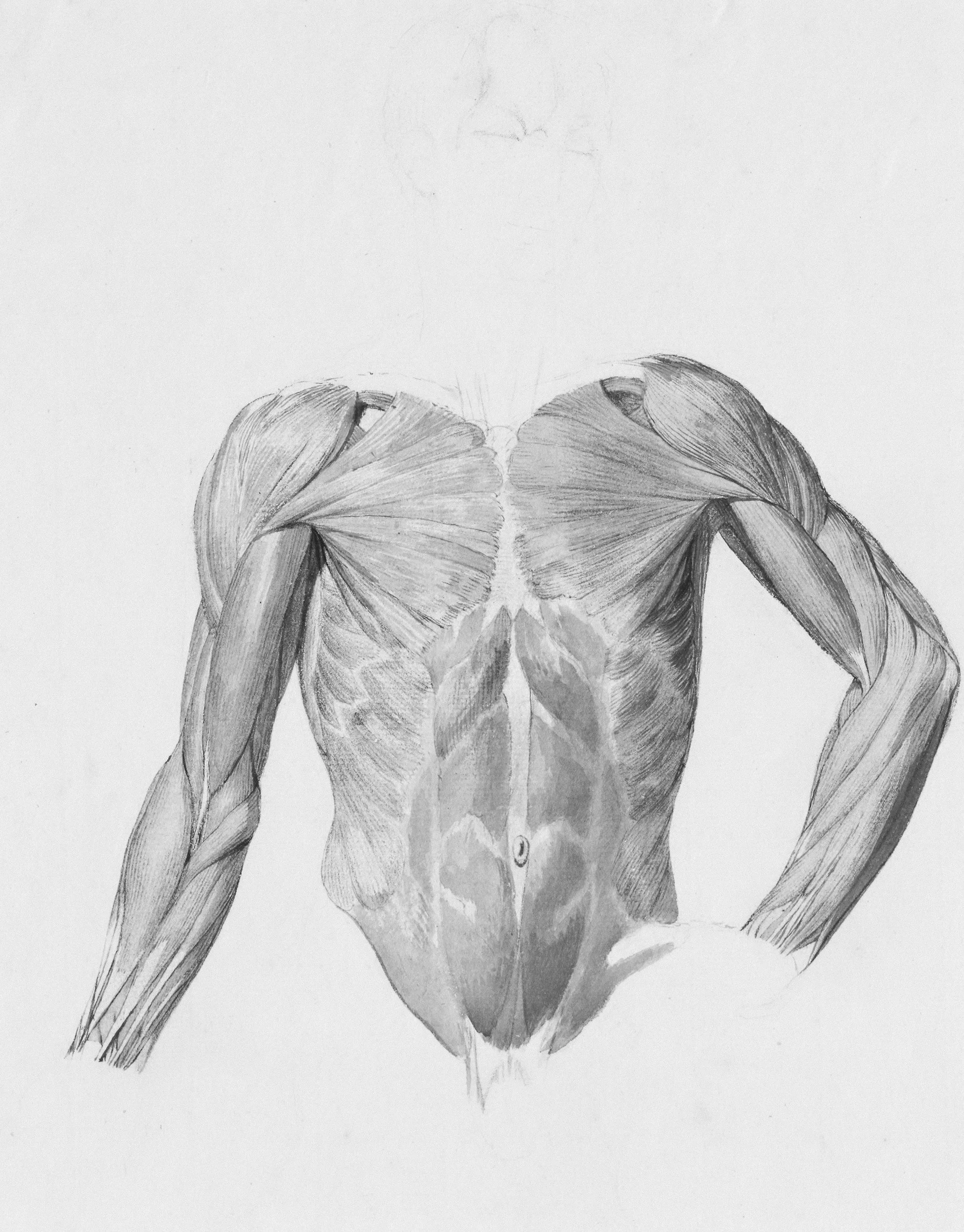
One of the greatest misconceptions about the bandhas is that they are simply muscles that we contract during yoga practice.
In reality, the muscles are only the doorway.
Each bandha influences the fascia, the breath, the diaphragm, the nervous system, the pelvic organs, circulation, lymphatic movement, and even the endocrine glands. As these physical systems begin working together, they create changes that extend far beyond the yoga mat. We stand differently, breathe more deeply, regulate stress more effectively, and begin to experience a greater sense of safety within our own bodies.
From an energetic perspective, the bandhas help guide prana through the central channel, supporting the movement of consciousness from survival toward intuition, wisdom, and connection.
This is why the bandhas have been considered one of yoga's most profound internal practices for thousands of years.
Mula Bandha: Returning Home to Yourself
Mula Bandha is located within the pelvic floor and perineum. The Sanskrit word mula means root, reminding us that every healthy tree begins with a strong foundation beneath the soil.
Physically, Mula Bandha is experienced as a gentle lifting through the center of the pelvic floor. It is subtle, almost effortless, and should never feel like gripping or squeezing. The gluteal muscles remain relaxed, the jaw stays soft, and the breath continues to flow naturally.
Many women have spent years unconsciously holding tension within the pelvic floor. Stress, trauma, pregnancy, childbirth, prolonged sitting, emotional guarding, and even the expectation to constantly hold everything together often create muscles that are already overworked rather than weak. For these women, learning to soften can be just as important as learning to engage.
The pelvic floor is not simply a group of muscles. It forms the foundation of our deep core, supports the pelvic organs, assists with continence, works in harmony with the diaphragm during every breath, and communicates continuously with the nervous system through an intricate web of fascia and connective tissue.
Energetically, Mula Bandha corresponds with the Root Chakra and the adrenal glands. This is the center of safety, belonging, stability, and survival. When our root is nourished, we feel grounded, supported, and able to meet life with resilience. When it is depleted, we often find ourselves living in a constant state of stress, reacting rather than responding, and searching outside ourselves for the security that can only be cultivated within.
Practicing Mula Bandha becomes an act of remembering that home is not a place. Home is the experience of feeling fully present within your own body.
Uddiyana Bandha: Rising Into Your Power
Just above the pelvic floor lies Uddiyana Bandha, centered within the lower abdomen. The word uddiyana means "to rise up" or "to fly," evoking a sense of lightness, lift, and expansion from within.
Traditionally, this bandha is practiced after a full exhalation by gently drawing the abdominal wall inward and upward beneath the rib cage. While the classical technique is best learned under the guidance of an experienced teacher and is not suitable during pregnancy, the subtle energetic awareness of this lift can be safely explored within many yoga and breath practices.
Physically, Uddiyana Bandha supports healthy digestion, massages the internal organs, improves diaphragmatic function, enhances posture, and brings balance to the deep core system. Because the diaphragm, abdominal wall, pelvic floor, and spine are intricately connected, nourishing one area naturally supports the whole.
For many women, the abdomen becomes a quiet holding place for unprocessed emotion. Stress, anxiety, grief, and the pressure to constantly perform or hold everything together often settle here long before we consciously recognize them.
Ayurveda teaches that digestion extends far beyond food. We are constantly digesting our experiences, relationships, emotions, and the pace of modern life. When Agni, our digestive fire, becomes weakened, we may experience not only physical stagnation but also mental fog, emotional heaviness, and a sense of being stuck.
Energetically, Uddiyana Bandha is linked to the Solar Plexus Chakra, or Manipura, the center of personal power, confidence, and self trust. When this center is balanced, we feel clear, capable, and aligned in our actions. When it is depleted, we may struggle with self doubt, low energy, digestive discomfort, or a lack of direction.
Rather than forcing change, Uddiyana Bandha gently rekindles this inner fire. It invites movement where there has been stagnation and spaciousness where there has been contraction. In doing so, it reminds us that true transformation arises not from pushing harder, but from creating the internal conditions that allow energy, clarity, and vitality to naturally emerge.
Jalandhara Bandha: Finding Your Voice
Jalandhara Bandha, often translated as the throat lock, is centered at the throat and is traditionally practiced during pranayama. By gently lowering the chin while maintaining length through the spine, this subtle energetic seal helps regulate the flow of prana between the heart and the mind.
Although physically simple, its effects are profound.
The throat contains the thyroid gland, an essential regulator of metabolism, energy production, hormonal balance, and temperature regulation. Healthy breathing mechanics, relaxed cervical muscles, and improved posture all contribute to the wellbeing of this delicate region.
Energetically, Jalandhara Bandha connects us with the Throat Chakra, the center of communication, authenticity, and truth.
Many women have learned to silence themselves in subtle ways. We soften our opinions, suppress difficult conversations, apologize for taking up space, or convince ourselves that keeping the peace is more important than speaking honestly.
Over time, this silence becomes embodied.
Jalandhara Bandha teaches us that true communication begins with listening inward. Before we can speak our truth, we must first become quiet enough to hear it.
Maha Bandha: The Great Lock
When all three bandhas are practiced together, they form Maha Bandha, the Great Lock.
Rather than functioning independently, each bandha supports the next. The root creates stability. The abdomen transforms and elevates energy. The throat refines that energy into wisdom and expression.
In yogic philosophy, this unified practice supports the upward movement of prana through Sushumna Nadi, the central energetic channel. Symbolically, it represents our journey from survival toward consciousness, from fear toward trust, and from separation toward wholeness.
Living the Bandhas
Perhaps the greatest lesson of the bandhas is that they do not end when yoga class is over.
They become a way of living.
They teach us to root before we reach, to cultivate strength before striving, to pause before reacting, and to conserve our life force rather than constantly spending it.
Every day, we are invited to ask ourselves where our energy is flowing. Are we giving more than we are replenishing? Are we carrying emotions that our bodies have been holding for years? Are we speaking our truth, or simply keeping the peace?
For women, this wisdom feels more important than ever. Healing is not found in doing more. It is found in returning to ourselves again and again until our body, our breath, our nervous system, and our spirit begin speaking the same language.
The bandhas remind us that the deepest strength is rarely loud or forceful. Instead, it is quiet, steady, deeply rooted, and profoundly alive. When we begin to understand them this way, they become far more than an internal yogic practice. They become a blueprint for living with intention, resilience, and presence.
If This Wisdom Speaks to You
If reading about the bandhas has sparked your curiosity, know that this is only one thread in a much larger tapestry of wisdom.
Although enrollment for the current Awaken the Wise Woman series has closed, these are exactly the kinds of conversations we explore together each month. We weave together the ancient teachings of yoga and Ayurveda with modern understandings of women's health, anatomy, physiology, the nervous system, and the endocrine system, revealing how these seemingly different traditions beautifully support one another. Together, we explore the chakras, the doshas, the bandhas, breathwork, meditation, herbs, ritual, and seasonal living, discovering not only what these practices are, but why they continue to matter in the lives of modern women.
My hope has never been to simply teach information. It is to help women understand why these ancient practices have endured for thousands of years and how they continue to offer profound guidance for the challenges we face today. When we understand the connections between the physical body, our hormones, our breath, our energy, and our lived experience, these teachings become more than philosophy. They become practical tools that help us navigate daily life with greater resilience, clarity, and ease.
Yet there is something even more powerful than learning these teachings.
It is living them.
That is the heart of the Awaken the Wise Woman Retreat in Costa Rica.
Over seven days, we journey through each chakra, exploring its relationship with the endocrine system, the elements, the doshas, and the practices that restore harmony throughout the body. Through yoga, meditation, pranayama, herbal wisdom, nourishing meals, ritual, community, and the healing presence of nature, the concepts we discuss become lived experience. What begins as knowledge gradually becomes embodiment.
There is something profoundly healing about stepping away from the demands of everyday life and giving yourself the time and space to simply be. Surrounded by the beauty of Costa Rica and a circle of women walking alongside you, these teachings move from your mind into your body. You begin to feel them in your breath, your movement, your relationships, and in the way you move through the world.
Whether you are following along through these blogs, hope to join a future Awaken the Wise Woman series, or feel called to immerse yourself in the retreat, my intention is always the same: to bridge ancient wisdom with modern science and women's health in a way that feels accessible, practical, and deeply transformative.
Because awakening the wise woman is not about becoming someone new. It is about remembering who you have always been and creating the space to fully embody her.
